

[Monday Notes No. 186] ‘Two Areas’ is a piece from pianist Kenny Barron’s album ‘Peruvian Blue’. The American musician, who is still active today, is one of the greatest performers of ‘mainstream’ jazz; his music is deeply rooted in the jazz tradition. This album, however, is influenced by the music of the 1970s and features…Continue readingKenny Barron’s ‘Two Areas’: jazz rock and modal music
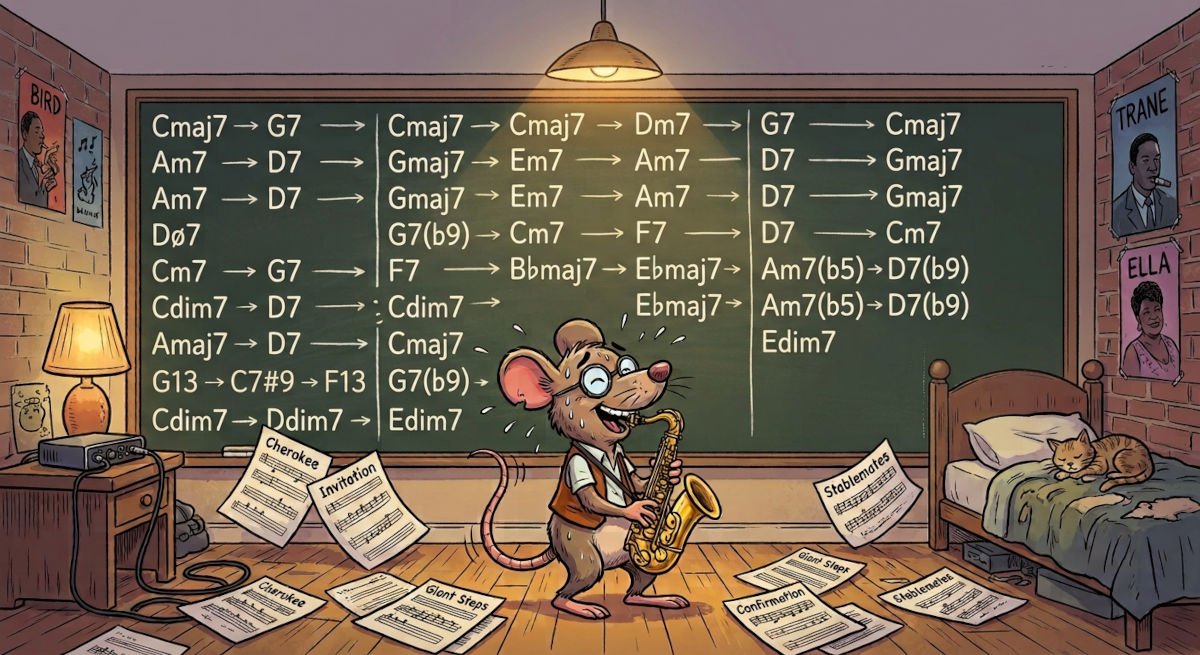
In this article, I suggest a few jazz standards that are particularly challenging and difficult to improvise over. These pieces provide excellent practice for anyone studying improvisation; trying to play them can be a great exercise even for those who aren’t yet ready to perform them confidently and fluently.Continue readingThe most challenging jazz standards for improvisation

[Monday Notes No. 185] During a concert, the Brazilian singer Lysia Condé recounted an anecdote about Chiquinha Gonzaga’s ‘Corta-Jaca’. The song was performed at a reception hosted by the Brazilian First Lady, Nair de Teffé, as a defiant gesture against the conventions of her time. The provocation was threefold: the song had folk origins, and…Continue reading‘Corta-Jaca’, the song by Chiquinha Gonzaga that scandalised Brazil
In this article, I want to talk about jazz singers and their improvisations. While it is common for a jazz instrumentalist to perform improvised solos, not all singers do so. This naturally raises the question: does a jazz singer have to improvise?Continue readingDoes a jazz singer have to improvise?
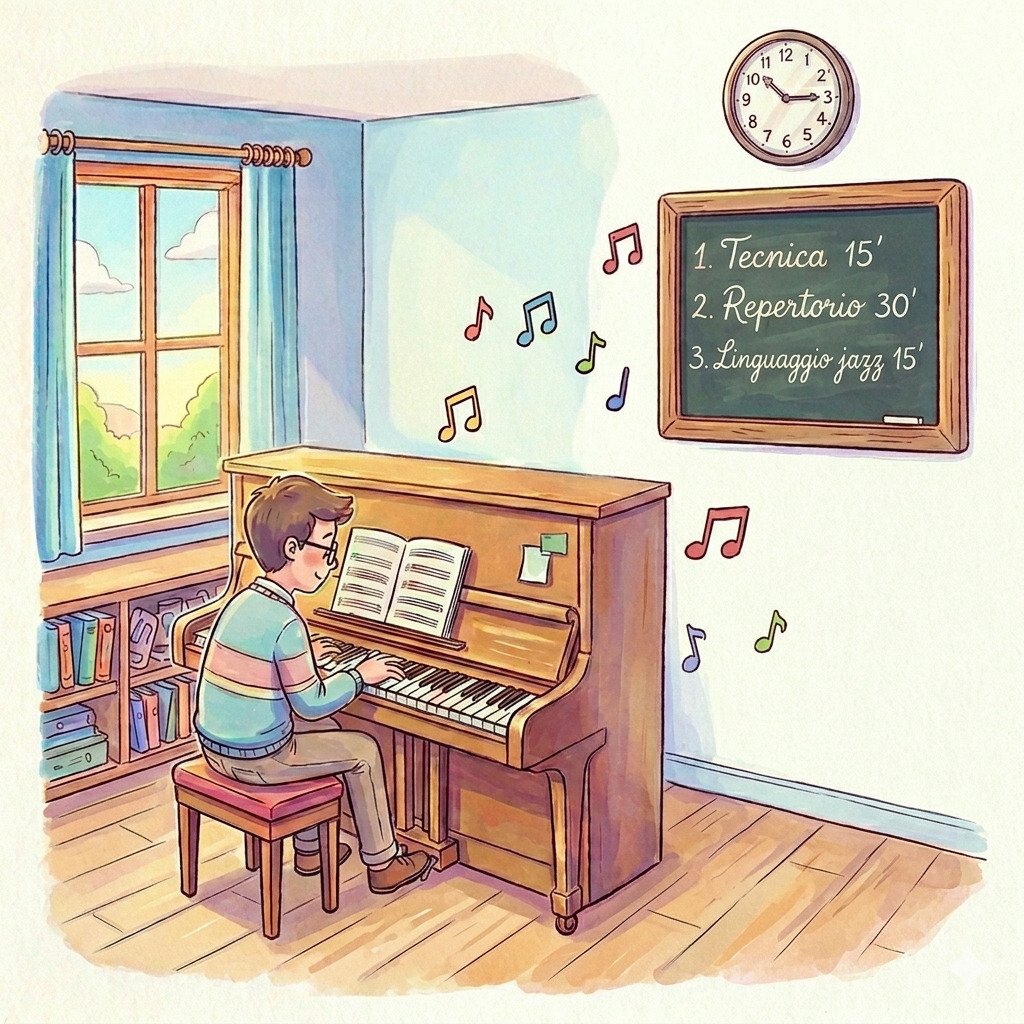
Jazz music gives musicians a great deal of freedom; everyone can play in their own style and in a way that reflects their personality, interacting with others freely and in ever-changing ways. However, the absence of strict rules presents a major obstacle for those wishing to study jazz piano, who often find themselves somewhat disoriented.Continue readingHow to learn jazz piano: a structured and effective study plan
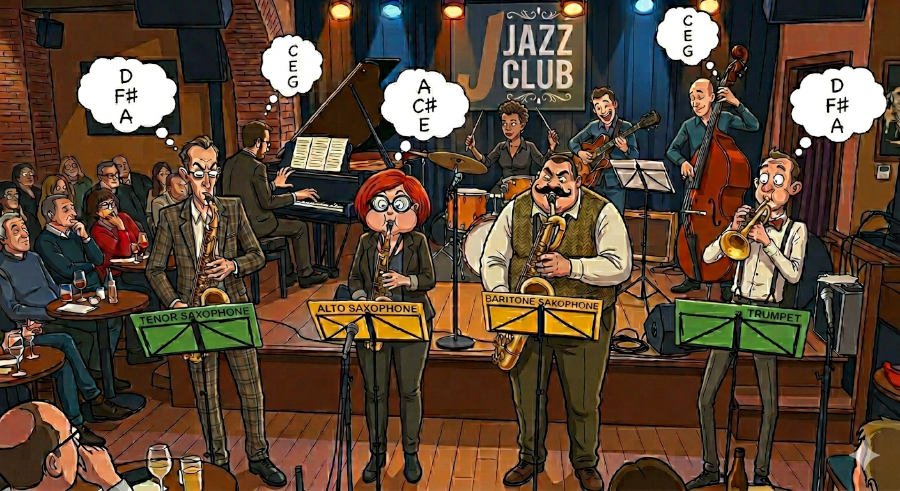
Transposing instruments can be difficult to understand, as they may seem like an unnecessary and inexplicable complication. In fact, such an instrument assigns a name to notes that does not correspond to the note they actually produce. This paradox can be explained by historical as well as practical reasons; there are good reasons why transposing…Continue readingTransposing instruments: I play one note, and another comes out

In this article, I’d like to introduce you to my project “Blindpiano”, an educational website designed to help blind students learn to play the piano. The idea came about following a conversation with a blind student who had purchased some of my courses. Talking to him helped me understand how best to structure my teaching…Continue readingPiano lessons for the blind: the BlindPiano project

Fifty years after its release, Dark Side Of The Moon by Pink Floyd retains all its beauty and remains one of the most successful conceptalbums of all time. An unrivalled pinnacle in the use of the musical technologies of the time, the musical journey is enriched by sophisticated techniques, meta-textual elements and multiple narrative layers.…Continue readingThe Dark Side of the Moon, a plot with four narrative layers
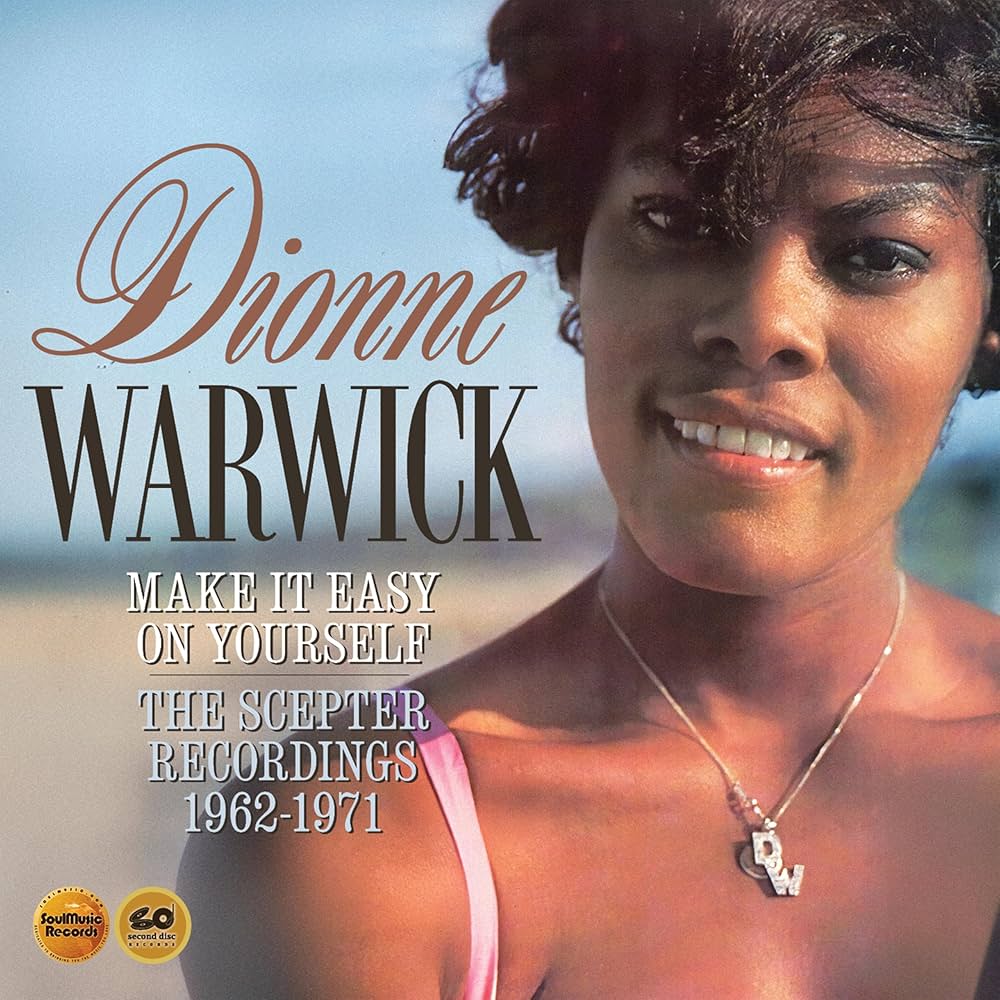
[Monday Notes No. 184] Didn’t We is a song composed in 1968 by Jimmy Webb, a highly refined songwriter who composes both the lyrics and music for his songs. Many singers and musicians have performed this song, so I chose my three favourite versions and tried to compare them. To begin with, let’s listen to…Continue readingDidn’t We by Jimmy Webb, listen to Dionne Warwick, Sinatra and Art Farmer

Masha and the Bear is a popular animated series that began in 2009, recounting the adventures of a little girl named Masha and her faithful companion Bear. It is an entertaining and original series. Bear often acts like Masha’s father, but sometimes the roles are reversed and it is Masha who takes care of him.Continue readingPiano lessons for kids: let’s learn with Masha and the Bear